
Discover what frontend development services involve how they improve user experience and the steps to build a high performing website for your business.
If your digital storefront looks messy or runs poorly you lose customers instantly. To keep visitors engaged and drive revenue you need professional frontend development services.
Frontend development focuses entirely on what the user sees and interacts with on their screen. It turns flat designs into living breathing websites. This guide will explain exactly what these services include, why they matter for your business and how the development process works from start to finish.
What Are Frontend Development Services?
Frontend development services involve building the visible parts of a website or web application. When you open a website everything you see the buttons the text the images and the navigation menus is the frontend. Developers write the code that makes these visual elements function correctly inside your web browser.
You can think of a website like a house. The backend represents the foundation, the plumbing and the wiring hidden behind the walls. The frontend represents the exterior paint, the layout of the rooms, the light switches and the doors. A house needs a strong foundation to stand but it also needs well designed rooms for people to live comfortably.
Professional developers use a mix of coding languages and structural frameworks to build these digital rooms. They ensure the website looks identical whether a user visits from a massive desktop monitor or a small smartphone screen. By hiring experts you guarantee that your digital presence remains accessible, interactive and beautiful for every single visitor.
Why Your Business Needs Frontend Development Services
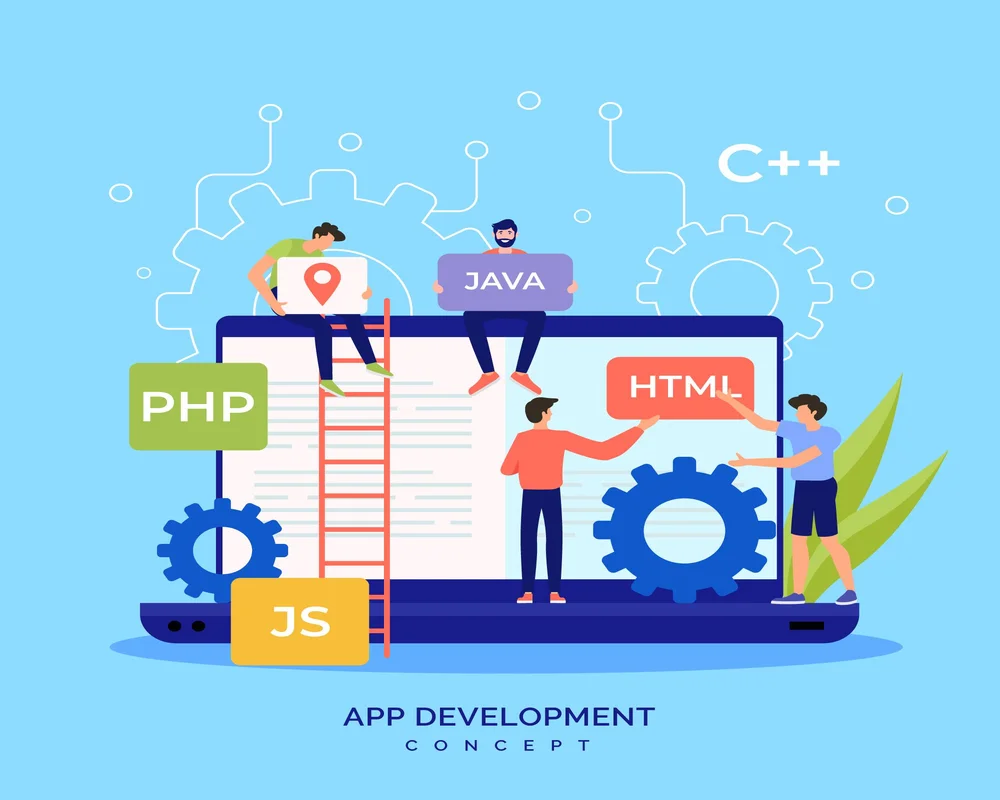
Investing in quality development provides a massive return on investment. Pre packaged website templates often limit your growth. Custom frontend development removes those limits and offers several core benefits to your organization.
- Excellent First Impressions: Users form an opinion about your business within milliseconds of opening your website. Clean modern code ensures your site loads immediately and looks highly professional.
- Mobile Responsiveness: More than half of all internet traffic comes from mobile devices. Front end developers build responsive designs. This means your website automatically adjusts its layout to fit any screen size perfectly.
- Faster Loading Speeds: Slow websites destroy conversion rates. Developers optimize images, streamline code and reduce unnecessary files to make your pages load in a flash.
- Higher Search Engine Rankings: Search engines like Google reward fast mobile friendly websites. Clean frontend code helps search engine bots read and rank your content higher in search results.
- Improved Accessibility: A good website works for everyone including people with disabilities. Developers follow strict accessibility standards so people using screen readers or keyboard navigation can use your site easily.
- Higher Conversion Rates: When a website is easy to navigate users stay longer. Clear buttons and logical layouts guide users naturally toward making a purchase or filling out a contact form.
Step by Step: The Frontend Development Process
Building a flawless user interface requires careful planning and execution. Professional development teams follow a structured process to deliver high quality results. Here is a step by step look at how developers build a frontend system.
Step 1: Planning and Requirement Gathering
Before writing any code the team must understand your business goals. The developers meet with you to discuss your target audience, your brand identity and the specific features you need. They review your existing digital assets and create a clear roadmap for the project. This stage ensures everyone shares the same vision.
Step 2: User Interface and User Experience Design
Next the design team creates the visual blueprints for your website. They start with simple wireframes. Wireframes act like a sketch showing where menus images and text blocks will sit on the page. Once you approve the wireframes the designers create high fidelity prototypes. These interactive prototypes show you exactly how the final website will look and feel.
Step 3: Choosing the Technology Stack
The development team selects the best programming languages and frameworks for your specific project. A simple blog requires different tools than a complex financial dashboard. The developers choose reliable scalable technologies that will support your business long into the future.
Step 4: Writing the Code
This phase brings the visual designs to life. The front end developers write the code that structures the web pages, applies your brand colors and adds interactive elements. They build reusable code components to keep the project organized. They also connect the frontend interface to your backend databases so data flows smoothly.
Step 5: Testing and Quality Assurance
A website must work perfectly before the public sees it. Quality assurance testers push the code to its limits. They check the website on different browsers like Chrome Safari and Edge. They test it on iPhones, Androids and tablets. They hunt for broken links, design flaws and slow loading elements. The developers fix any bugs they find during this rigorous testing phase.
Step 6: Launch and Ongoing Maintenance
Once testing is complete the team launches your new website. However the work does not end after the launch. The web constantly evolves and browsers receive frequent updates. The development team provides ongoing maintenance to keep your code secure, fast and fully functional as time goes on.
Examples of Frontend Technologies
Developers use a specific set of tools to build websites. Understanding these tools helps you grasp how modern web applications function. Here are the core technologies developers use every day.
HTML CSS and JavaScript
These three languages form the backbone of the internet.
- HTML (Hyper Text Markup Language): This provides the basic structure of the page. It defines the paragraphs headings and images.
- CSS (Cascading Style Sheets): This controls the visual appearance. It dictates the colors, fonts, spacing and animations.
- JavaScript: This adds interactive behavior. It allows for pop up modals form validation and real time data updates without refreshing the page.
Modern JavaScript Frameworks
Writing everything from scratch takes too much time. Developers use frameworks and libraries to speed up the process and build more complex features.
- React: A popular library created by Facebook. Developers use React to build dynamic user interfaces quickly. It uses a component based structure meaning developers can reuse pieces of code across the whole site.
- Vue: A flexible and lightweight framework. Vue is easy to integrate into existing projects and provides excellent performance for single page applications.
- Angular: A comprehensive framework maintained by Google. Large enterprises often use Angular to build massive highly complex web applications because it provides strict structure and powerful data management.
Common Challenges Solved by Frontend Developers
Creating a seamless user experience presents several technical hurdles. A skilled frontend team knows how to overcome these common challenges.
Cross Browser Compatibility
Every web browser reads code slightly differently. A website might look perfect on Google Chrome but break completely on Apple Safari. Frontend developers write clever adaptable code to ensure the website looks and functions identically across every major browser.
Device Fragmentation
Ten years ago developers only designed websites for standard desktop monitors. Today users access the web on smartwatches, giant televisions and thousands of different mobile phones. Developers use fluid grids and flexible images to ensure the design adapts gracefully to any possible screen size.
Performance Bottlenecks
High quality images and complex animations make a website look great but they also slow it down. Heavy websites drain mobile data plans and frustrate users. Developers solve this by compressing images, minifying code files and implementing lazy loading. Lazy loading tells the browser to only load images when the user actually scrolls down to see them.
Who Benefits from Custom Frontend Development?
Almost every industry requires strong digital interfaces. Pre built templates rarely satisfy the demands of growing organizations. Here are a few examples of businesses that benefit heavily from custom frontend services.
- Ecommerce Stores: Online retailers need fast intuitive product catalogs. A custom frontend ensures the checkout process is frictionless which directly increases sales.
- Healthcare Providers: Medical portals must securely display sensitive patient data. A clean interface helps patients book appointments and view test results without confusion.
- Financial Institutions: Banking applications handle complex data charts and transaction histories. A structured highly responsive frontend keeps users feeling secure and in control of their money.
- Software Companies: Companies offering software as a service need a dashboard that users log into daily. The frontend must be engaging, clear and highly organized to retain long term subscribers.
How to Choose the Right Development Partner
Finding the correct agency is the most important step in your project. You need a team that understands your vision and possesses deep technical expertise. Keep these points in mind when searching for a partner.
First, always review their past work. Ask to see examples of websites they built from scratch. Click through their portfolio pieces to see if the sites load fast and function smoothly on your phone.
Second, evaluate their communication skills. Good developers explain complex technical concepts in plain language. You want a team that listens to your feedback and provides clear project updates.
Third, ask about their testing process. A reliable agency never rushes a product out the door. They should have a dedicated quality assurance phase to catch bugs before your customers do.
If you need a proven team to build an exceptional digital experience visit https://alfaorigin.com/ to discover top tier frontend development services. Their expert team handles everything from UI design to complex coding ensuring your final product is secure fast and ready to impress your customers.
Frequently Asked Questions
Many business leaders have questions before starting a new development project. Here are clear answers to the most common inquiries.
What is the difference between web design and frontend development?
Web design focuses strictly on aesthetics. Designers plan how the website will look using graphic design software. Front end development focuses on technology. Developers write the actual code that turns those static design files into a working clickable website on the internet.
How much do frontend development services cost?
The cost varies based entirely on the size and complexity of your project. A simple marketing website requires fewer hours and costs less. A massive custom web application with complex user dashboards requires months of work and costs significantly more. Always ask your agency for a detailed quote based on your specific feature requirements.
How long does it take to build the frontend of a web application?
A basic website might take four to six weeks to design and develop. A complex enterprise application can take several months. Clear communication, fast feedback loops and a well defined project scope help keep the timeline as short as possible.
What is a Single Page Application?
A Single Page Application or SPA is a website that interacts with the user by dynamically rewriting the current web page. Instead of loading entire new pages from the server every time you click a link the SPA updates instantly. This makes the website feel incredibly fast much like a native app on your phone.
Does frontend development affect SEO?
Yes, front end code heavily impacts Search Engine Optimization. Search engines prefer websites that load quickly and adapt to mobile devices. Clean HTML tags also help search engines understand the context of your content which improves your ranking in search results.
Conclusion
Your website acts as the digital face of your company. You cannot afford to give your visitors a slow, confusing or outdated experience. Frontend development services provide the technical skills required to build fast, beautiful and highly functional web applications.
By investing in custom development you ensure your website works perfectly on every device and browser. You provide your users with a logical seamless journey from their first click to their final purchase.
Take the time to outline your business goals and identify where your current website falls short. When you are ready to elevate your digital presence partner with skilled developers who can turn your vision into a reality. A well crafted frontend creates happy users and happy users create a thriving business.