
Discover the complete process of SaaS web application development. Learn the steps, benefits and costs to build a successful software product for your users.
Software as a service has completely changed how people use technology. You no longer need to buy expensive software CDs or worry about manual updates. Users simply log into a website and access everything they need in the cloud. If you want to create a profitable software product you must understand SaaS web application development. This process involves building cloud based software that users access through a subscription model.
This guide will walk you through the entire journey. We will cover the core benefits of the step by step process and the common challenges you might face. By the end of this post you will know exactly how to turn your software idea into a successful product.
What is SaaS Web Application Development?
SaaS web application development is the process of building software that lives in the cloud. Instead of installing the program on a personal computer users access it through a web browser. The provider hosts the application on remote servers. The provider also handles all the maintenance security and updates.
Think of it like renting an apartment instead of buying a house. When you rent the landlord takes care of the plumbing and roof repairs. You simply pay a monthly fee to live there. With a SaaS application users pay a monthly or annual subscription fee. They get full access to the software without worrying about the technical backend.
This model is incredibly popular for both businesses and individual users. It lowers the barrier to entry and makes powerful tools accessible to everyone.
Benefits of Building a SaaS Web Application
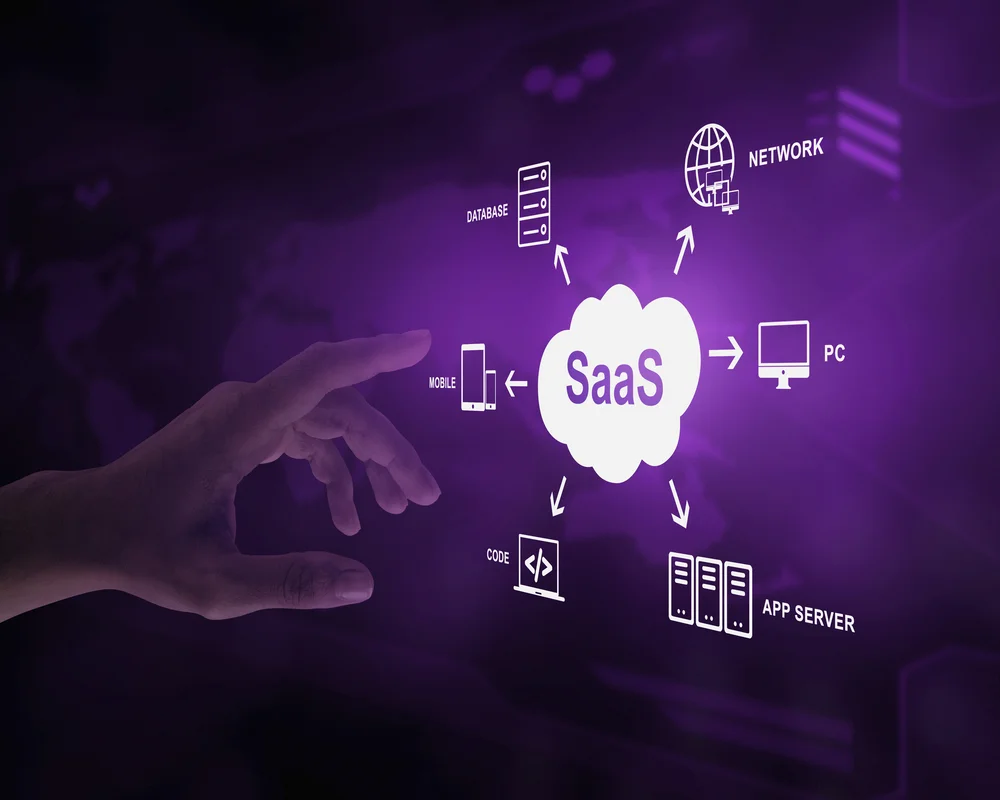
Creating a cloud based application offers many advantages for business owners. Here are the top reasons to choose this software model.
- Predictable Recurring Revenue: You charge users a monthly or yearly fee. This creates a steady and predictable stream of income for your business.
- Easy Updates and Maintenance: You push updates directly to the cloud server. All users instantly see the latest version without downloading anything.
- Global Accessibility: Users can access your software from anywhere in the world. They only need an internet connection and a web browser.
- Cost Effective Scaling: Cloud hosting allows you to add more server space easily. You can grow your user base without buying expensive physical hardware.
- High User Retention: Good cloud software becomes a core part of a user’s daily routine. This makes them highly likely to renew their subscriptions.
The 8 Step SaaS Web Application Development Process
Building a successful product requires careful planning and execution. Follow these eight steps to ensure your project stays on track.
Step 1: Conduct Market Research and Validate Your Idea
Never write a single line of code without checking the market first. You need to know if people actually want your product. Find your target audience and understand their specific problems.
Look at your competitors. Note what they do well and where they fall short. Read their customer reviews to find complaints and missing features. You can use these gaps to make your product stand out. Create user personas to represent your ideal customers. This keeps your team focused on building features that solve real problems.
Step 2: Define Your Project Scope
Once you validate your idea you must define the scope of your project. Write down the core features your software must have. Focus only on the essentials for your first version.
Create user stories to outline how people will use the software. A user story describes a specific action a user wants to take. For example a user story might be: “As a manager I want to assign tasks to my team so we can meet our deadline.” These stories guide your developers and ensure they build the right features.
Step 3: Design the UI and UX
User interface (UI) and user experience (UX) design are critical. If your software is hard to use people will cancel their subscriptions. Simplicity is your best friend here.
Start by creating simple wireframes. These are basic sketches that outline the layout of each screen. Next, build interactive prototypes. Prototypes let you click through the application to see how it feels. Show these prototypes to real users and ask for feedback. Make adjustments before moving to the development phase. Good design reduces friction and keeps users happy.
Step 4: Choose a Monetization Strategy
You must decide how you will make money before you build the app. Your pricing model affects how developers write the billing code. Here are a few common options:
- Flat Rate Pricing: Users pay one single price for all features.
- Tiered Pricing: You offer different packages. A basic tier costs less while a premium tier includes advanced features.
- Per User Pricing: You charge a specific amount for each person who uses the account.
- Usage Based Pricing: Users pay only for what they consume like the amount of data storage they use.
- Freemium Model: You offer a basic version for free. Users pay to unlock premium features.
Step 5: Select the Right Technology Stack
Your technology stack includes the programming languages frameworks and tools used to build the app. This decision impacts how fast your app runs and how easily it can grow.
- Frontend Technologies: This is the part users see. Developers often use HTML CSS and frameworks like React or Vue.
- Backend Technologies: This is the brain of your app. Common choices include Node.js, Python or Ruby.
- Database: This stores all your user data. Popular options are PostgreSQL or MongoDB.
- Cloud Hosting: You need a reliable cloud provider to host your app. Amazon Web Services (AWS) and Microsoft Azure are industry leaders.
Step 6: Build a Minimum Viable Product (MVP)
A minimum viable product is a basic version of your application. It contains only the features necessary to solve your user’s main problem. Do not waste time building complex features right away.
The goal of an MVP is to launch quickly. You want to get your product into the hands of early users. They will tell you what works and what needs improvement. Building an MVP saves you money and prevents you from building features nobody wants.
Step 7: Test the Application Thoroughly
Testing ensures your software works perfectly. Bugs and errors frustrate users and damage your reputation. You must test every part of the application before launch.
- Functional Testing: Check that every button form and link works correctly.
- Performance Testing: See how the app handles multiple users at the same time. Ensure it does not crash under a heavy load.
- Security Testing: Protect your user data. Find and fix vulnerabilities to prevent hacking attempts.
- Usability Testing: Watch real people use the app. Ensure the navigation makes sense to beginners.
Step 8: Launch and Maintain Your Product
Once testing is complete you are ready to launch. Make your application live and start accepting users. However your work does not stop at the launch.
Software requires constant maintenance. You must monitor the servers to ensure the app stays online. Collect feedback from your new users regularly. Use this feedback to plan new features and improvements. Release small updates frequently to keep the product fresh and valuable.
Real World Examples of SaaS Products
You probably use several cloud applications every single day. Looking at successful products can give you great ideas for your own project.
- Slack: This is a business communication tool. It replaces internal emails with instant messaging channels. Teams use it to collaborate in real time.
- Dropbox: This tool provides cloud storage. Users save their files online and access them from any device. It makes file sharing fast and secure.
- Shopify: This platform lets anyone build an online store. Business owners use it to manage products, process payments and track shipping.
Common Challenges and How to Overcome Them
Building a software product is not always easy. You will likely face a few hurdles along the way. Knowing these challenges in advance helps you prepare.
Keeping User Data Secure
Security is the biggest concern for cloud software. You will store sensitive information like passwords and credit card numbers. If a hacker breaches your system you could lose your business.
Use strong encryption to protect data. Implement strict access controls so only authorized users can see specific information. Conduct regular security audits to find weak spots. Always comply with data protection laws in your region.
Scaling the Architecture
If your marketing works well you will gain many new users quickly. Your application must handle this growth without slowing down. A slow application drives users away immediately.
Design a flexible architecture from day one. Use cloud hosting services that allow you to add more server power instantly. Optimize your code and database queries so they run fast. A well built app scales smoothly as your business grows.
Integrating with Other Tools
Users want your software to work with the tools they already use. If you build a billing tool users might want it to connect to their accounting software.
You must build robust Application Programming Interfaces (APIs). APIs allow different software programs to talk to each other. Document your APIs clearly so other developers can use them easily. Offering seamless integrations makes your product much more valuable.
Partner with an Expert Development Team
Building a complex software product takes significant time and technical skill. Many business founders struggle to manage a development project on their own. Hiring the right technical partner makes a massive difference.
If you need a reliable partner to bring your vision to life we highly recommend checking out https://alfaorigin.com/ for expert assistance. They offer dedicated services to guide you through the entire process. A professional team helps you avoid costly mistakes. They ensure your product is secure, scalable and built to the highest industry standards.
Frequently Asked Questions
People often have many questions before starting a software project. Here are clear answers to the most common inquiries.
How much does it cost to build a SaaS application?
The cost varies wildly based on exactly what you want to build. A simple MVP might cost around $25000 to $50000. A highly complex platform with many features can cost over $150,000. Your final price depends on the number of features, the technology stack and the rates of your development team.
How long does the development process take?
Timeframes depend directly on complexity. A basic MVP usually takes about three to four months to complete. A fully featured complex application can take six months to a year. Clear communication with your team helps speed up the process and prevents unwanted delays.
What is the difference between a web app and a website?
A traditional website mostly provides information for people to read. Think of a news blog or a company portfolio. A web app is interactive and allows users to perform specific tasks. Users manipulate data, create documents or communicate with others.
Why is an MVP so important?
An MVP saves you time and money. It prevents you from spending months building a product that nobody wants to buy. It allows you to test your core idea with real paying customers quickly. You gather their feedback and use it to build better features in the next update.
Do I need technical skills to start a SaaS business?
No you do not need to be a programmer to start a software company. Many successful founders have zero coding experience. You just need a deep understanding of your target market and a solid business plan. You can hire a skilled development agency to handle all the technical heavy lifting.
Conclusion
SaaS web application development is an excellent way to build a profitable business. You create a tool that solves a real problem and users pay you a recurring fee to use it. The subscription model offers fantastic growth potential and financial stability.
Remember to follow the right steps. Start with deep market research. Focus your energy on building a simple minimum viable product. Test your software thoroughly before showing it to the world. Listen carefully to your users and improve the product constantly.
Building software takes hard work and dedication. But with a clear plan and the right team you can create an application that people love to use every day. Take the first step today outline your core idea and start planning your new product.