
Learn the basics of scalable web app architecture. Discover how cloud solutions, microservices and load balancing help you handle more users easily.
Imagine your new application goes viral overnight. Thousands of people try to sign up at the exact same moment. If your system cannot handle the heavy traffic it will crash. You will frustrate your users and lose valuable revenue. To prevent this disaster you need a scalable web app architecture.
Building a digital product requires more than just making it look good. You must build a strong foundation. You want a system that grows seamlessly as your business expands. A smart design keeps your application fast, secure and reliable under pressure.
This guide breaks down everything you need to know about scaling your digital products. We will explore core concepts, look at real examples and provide a clear plan of action. You will learn how to handle massive growth without breaking a sweat.
What is a Scalable Web App Architecture?
A scalable web app architecture is a structural blueprint for your software. It defines how your system manages increases in workload. When traffic spikes a scalable application adapts automatically. It uses extra resources to process the new requests. When traffic drops the system scales back down to save money.
Think of your application like a popular restaurant. If ten people show up, one chef can handle the orders. If one hundred people show up, that single chef will fail. You need a system to hire more chefs on the spot. You also need a manager to hand out the tickets efficiently. In the software world scalable architecture provides those extra workers and managers.
Why Your Business Needs a Scalable Foundation
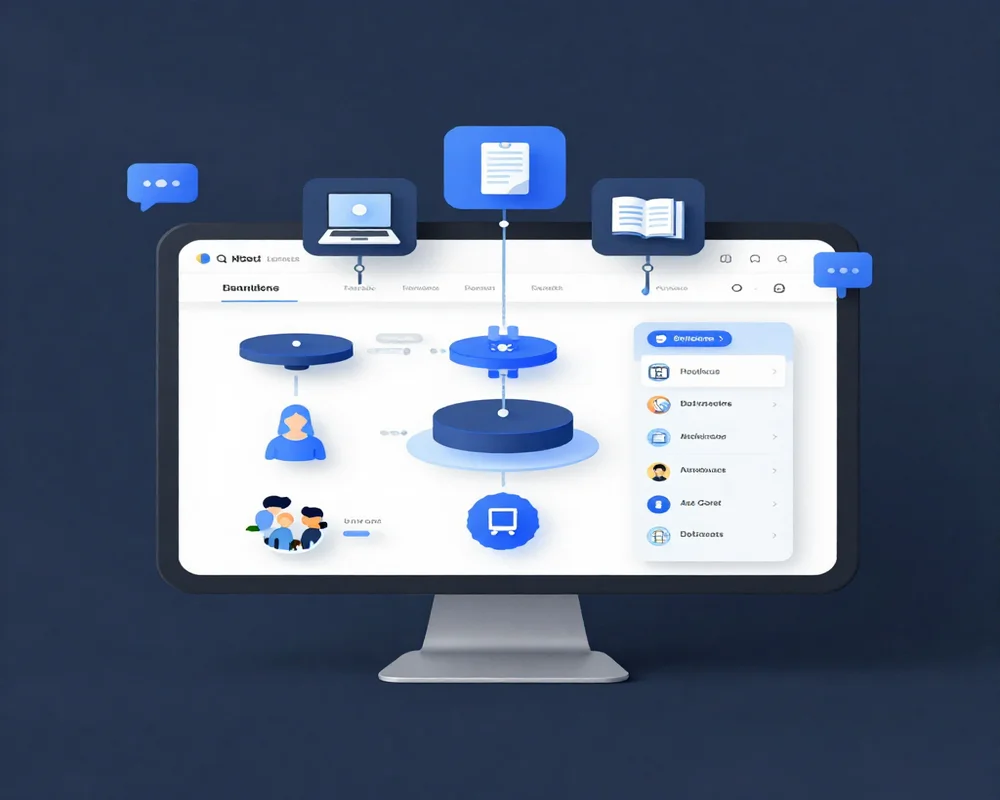
Ignoring scalability during the early stages of development causes major headaches later. Rebuilding a live application costs time and money. Here are the top reasons to plan for growth from day one.
- You protect the user experience. Slow loading screens drive people away. A scalable system keeps your application lightning fast even during peak hours.
- You save money. Modern setups allow you to pay only for the resources you use. You add computing power when you need it and remove it when you do not.
- You prevent downtime. Server crashes damage your brand reputation. A well designed architecture limits single points of failure.
- You stay ahead of competitors. When a competitor’s app crashes their users will look for an alternative. If your app remains stable you capture their lost audience.
Two Main Approaches to Growth
Engineers use two primary methods to increase system capacity. Understanding these methods helps you choose the right path for your specific needs.
Vertical Scaling (Scaling Up)
Vertical scaling means making your current machine stronger. You add more RAM to the server. You upgrade to a faster CPU. You increase the hard drive storage space.
This approach works well for small applications. It requires very few changes to your actual code. However vertical scaling has a strict limit. Eventually you cannot buy a bigger faster machine. Furthermore if that single machine fails your entire application goes offline.
Horizontal Scaling (Scaling Out)
Horizontal scaling means adding more machines to your network. Instead of building one giant supercomputer you connect dozens of smaller computers. They work together as a team to handle the incoming traffic.
This method offers limitless growth. If you need more power you simply plug another server into the network. It also provides excellent reliability. If one server breaks down the other servers instantly take over its workload.
Core Components of a Scalable System
A successful application relies on several distinct parts working in harmony. You must understand these key elements to build a robust product.
Load Balancing
When you use multiple servers you need a way to distribute the traffic. Load balancing solves this problem. A load balancer acts like a traffic cop standing at a busy intersection.
When a user visits your app the request hits the load balancer first. The load balancer checks all your servers. It finds a server with free capacity and sends the user there. This prevents any single machine from getting overwhelmed.
Microservices Architecture
Old applications use a monolithic design. This means developers pack every feature into one giant block of code. If a single feature breaks the whole app crashes. Updating the code becomes a slow painful process.
Modern developers prefer a microservices architecture. This approach breaks your application into tiny independent pieces. The billing system operates separately from the user profile system. The search function runs on its own dedicated server. If the search feature breaks the billing system keeps working perfectly. This method makes scaling and updating your app incredibly easy.
Cloud Based Solutions
Buying and maintaining physical servers costs a fortune. It also limits your ability to scale quickly. Today smart businesses rely on cloud based solutions. Companies like Amazon, Google and Digital Ocean rent out server space over the internet.
Cloud platforms give you massive flexibility. You can spin up fifty new servers with a single click. You can automate the process so your app adds servers automatically during a traffic spike. Cloud computing provides the raw power you need to grow globally.
Strategic Caching
Calculating data takes time and computing power. Caching offers a smart shortcut. A cache is a temporary storage area for frequently requested information.
Imagine a user asks for a list of the top ten movies on your app. Your database searches millions of records to find the answer. Instead of running this heavy search every time you store the final list in a cache. When the next user asks for the same list your app delivers it instantly from the cache. This drastically reduces the strain on your database.
A Step by Step Guide to Scaling
Building a scalable product requires careful planning. Follow these steps to prepare your software for massive audiences.
Step 1: Analyze Your Needs
Look at your current traffic patterns. Identify the parts of your application that use the most power. Do your users upload heavy video files? Do they run complex search queries? Understand your bottlenecks before you start writing new code.
Step 2: Separate the Database
Never host your database and your web server on the same machine. Give your database its own dedicated environment. This simple step prevents your web server from crashing when data requests pile up.
Step 3: Introduce a Load Balancer
Set up at least two web servers to handle incoming users. Place a load balancer in front of them. This creates a safety net. If server A fails, server B keeps your business online.
Step 4: Implement Microservices
Examine your code. Find features that operate independently. Pull them out of the main codebase. Turn them into standalone microservices. This takes time but it protects your app from total system failures down the road.
Step 5: Automate Your Growth
Use cloud tools to monitor your servers. Set specific rules for scaling. Tell the system to add a new server automatically if CPU usage hits eighty percent. Automation ensures you survive sudden unexpected traffic spikes.
Common Mistakes to Avoid
Many companies make critical errors when trying to grow. Watch out for these common traps.
- Scaling too early: Do not build a massive complex network before you have actual users. Start simple. Add complexity only when your traffic demands it.
- Ignoring the database: Adding fifty web servers will not help if your database cannot process the requests. You must optimize your database tables and queries first.
- Forgetting to test: You must run stress tests. Send fake traffic to your application to see when it breaks. Find the weak spots in a safe testing environment not during a live launch.
Real World Scaling Examples
Looking at successful companies helps us understand these concepts in action. Big tech companies handle billions of requests every day.
Consider Netflix. When they started streaming movies they used a traditional monolithic architecture. As millions of people joined the platform their system struggled. They decided to rewrite their entire platform using microservices architecture. Today the feature that recommends movies operates independently from the feature that plays the video. This change allows Netflix to serve millions of customers simultaneously without interruption.
Consider online shopping platforms during holiday sales. Massive retailers experience huge traffic spikes on Black Friday. They survive these spikes by heavily relying on cloud based solutions and automated horizontal scaling. Their systems add thousands of temporary servers for the weekend and remove them when the sale ends.
Partner With the Right Experts
Designing a system to handle millions of users requires deep technical knowledge. You must make critical decisions about servers, databases and code structure. Making the wrong choice can stall your growth and cost you money.
You do not have to tackle this challenge alone. You need a trusted technical partner to guide your strategy. The team at https://alfaorigin.com provides expert web development services. We specialize in building fast secure and highly scalable applications. We turn your complex business ideas into robust digital realities. Contact our team today and let us build an architecture that guarantees your future success.
Frequently Asked Questions
Understanding technical architecture brings up many common questions. Here are clear answers to help you navigate the process.
What is the difference between performance and scalability?
Performance measures how fast your application responds to a single user. Scalability measures how well your application handles a massive increase in total users. You can have a fast app that crashes when ten people log in. You want an app that is both high performing and highly scalable.
Does scaling an application cost a lot of money?
It depends on your approach. Modern cloud platforms make scaling highly cost effective. You only pay for the extra server power when you actually need it. Upgrading poorly written code costs more money than optimizing a good architecture from the start.
When should I start worrying about scalability?
You should plan for scalability on day one. You do not need to build a massive global network for your first launch. However you should write clean code and keep your database separated. Building a solid foundation early makes scaling much easier later.
Can I scale my application without changing my code?
You can scale vertically by buying a stronger server without changing code. However to scale horizontally across many servers you often need to adjust your software. Your application must know how to share tasks and data across different machines.
What role does an API play in scaling?
An API allows different software programs to talk to each other. When you split your app into microservices those tiny services use APIs to share data. A fast, well designed API is crucial for keeping your scalable system running smoothly.
Conclusion
Creating a successful digital product requires vision and technical skill. A scalable web app architecture ensures your product survives its own success. By understanding how to manage traffic, distribute workloads and optimize data you protect your business.
Start by separating your services. Embrace cloud hosting and use load balancers to direct traffic smoothly. Move away from bulky monolithic code and embrace flexible microservices. Most importantly build your foundation carefully before the massive crowds arrive. When you prepare for growth properly you can welcome every new user with a fast flawless experience. Take action today evaluate your current setup and begin building a system ready for tomorrow.